A quieter corner does not need a room of its own. A little light, one clear surface and a few familiar objects can make enough space to come back to yourself.
Begin where you already pause
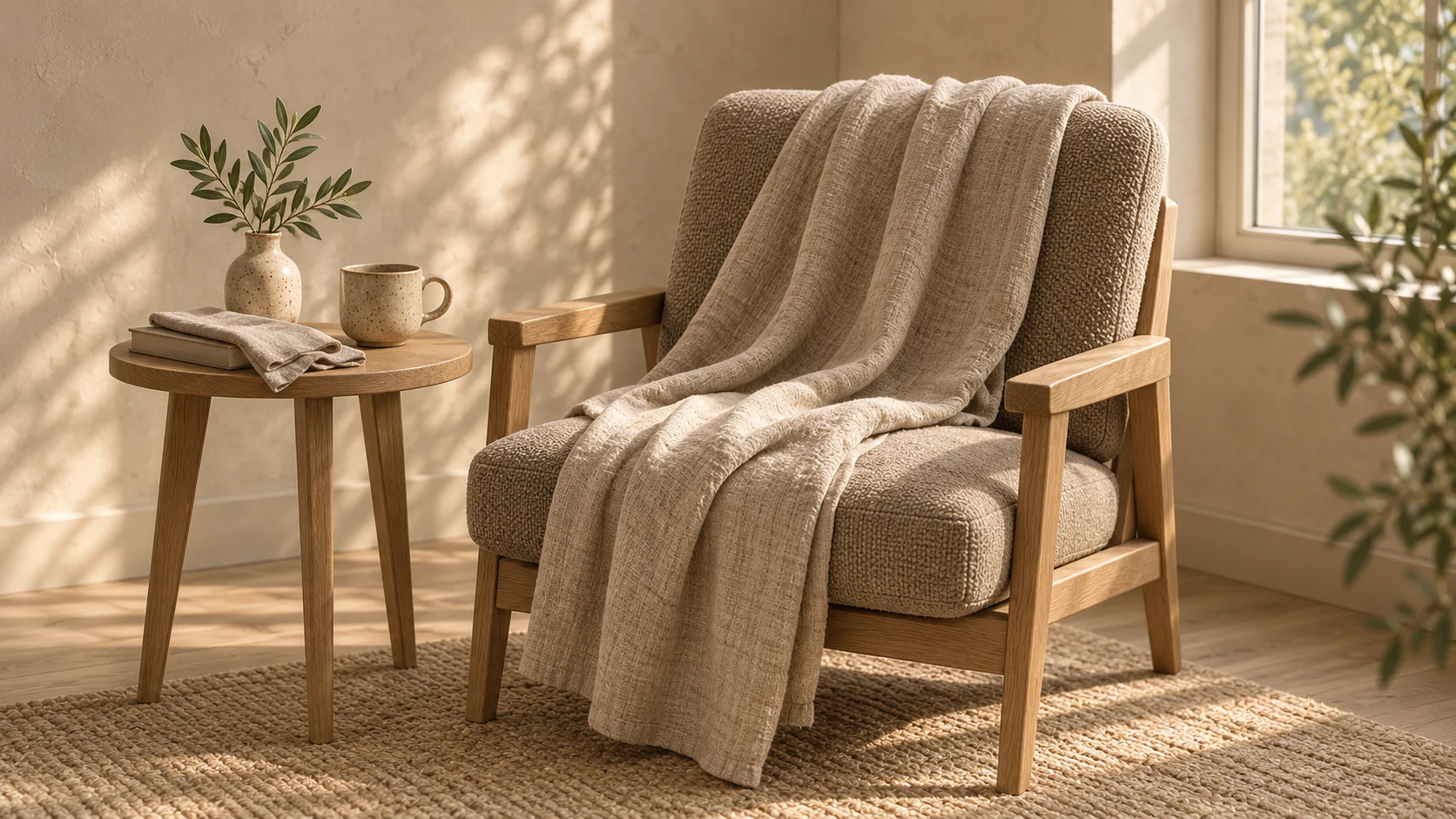
Look for a place you naturally return to: the end of a table, a shelf beside your chair or a windowsill near the kettle. A corner works best when it belongs to your day, rather than asking you to build a new routine around it.
Remove what has accumulated there and sit nearby for a moment. Notice the light, the view and whether you can rest your cup within reach. Keep the useful things; let the rest find another home.
Gather, then leave some space
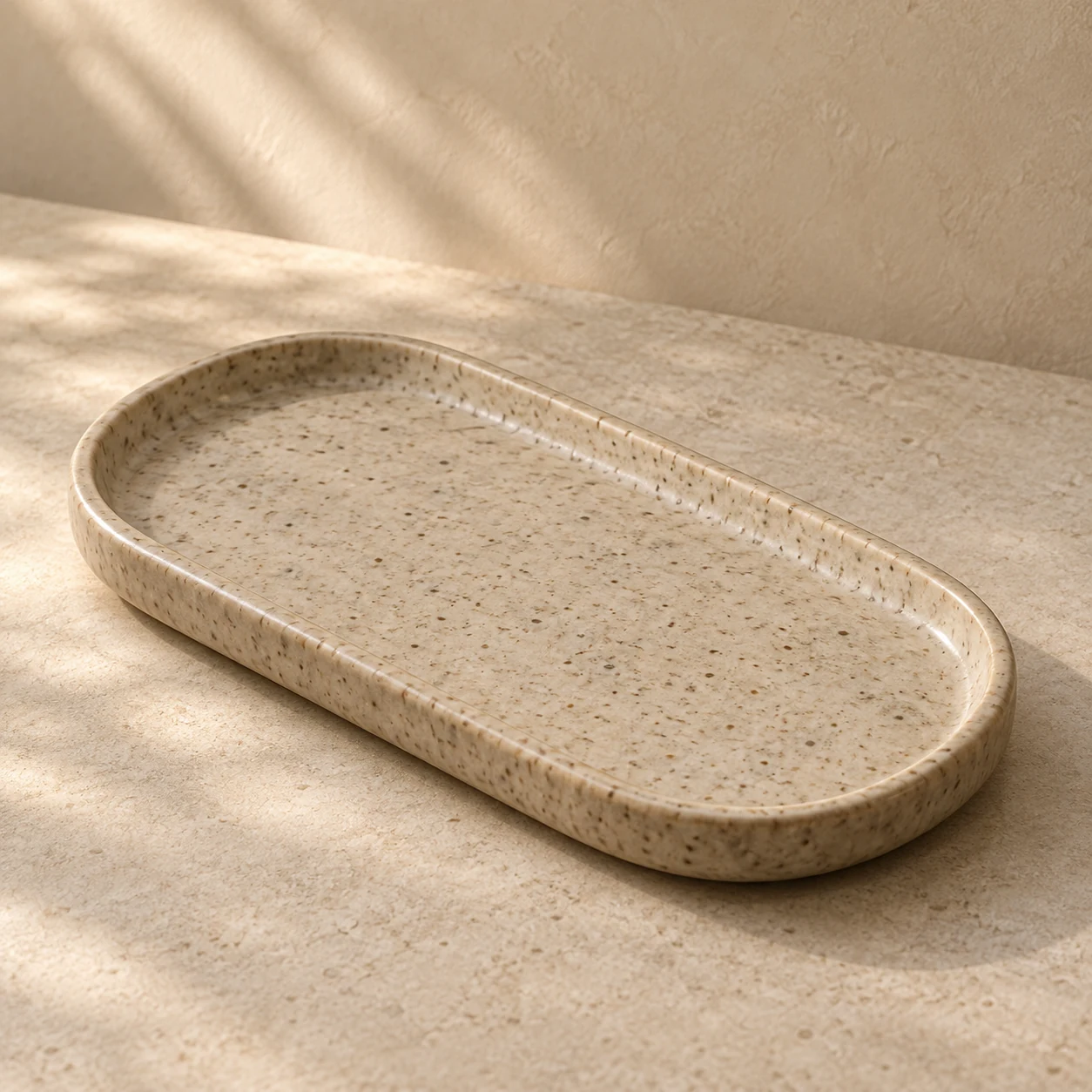
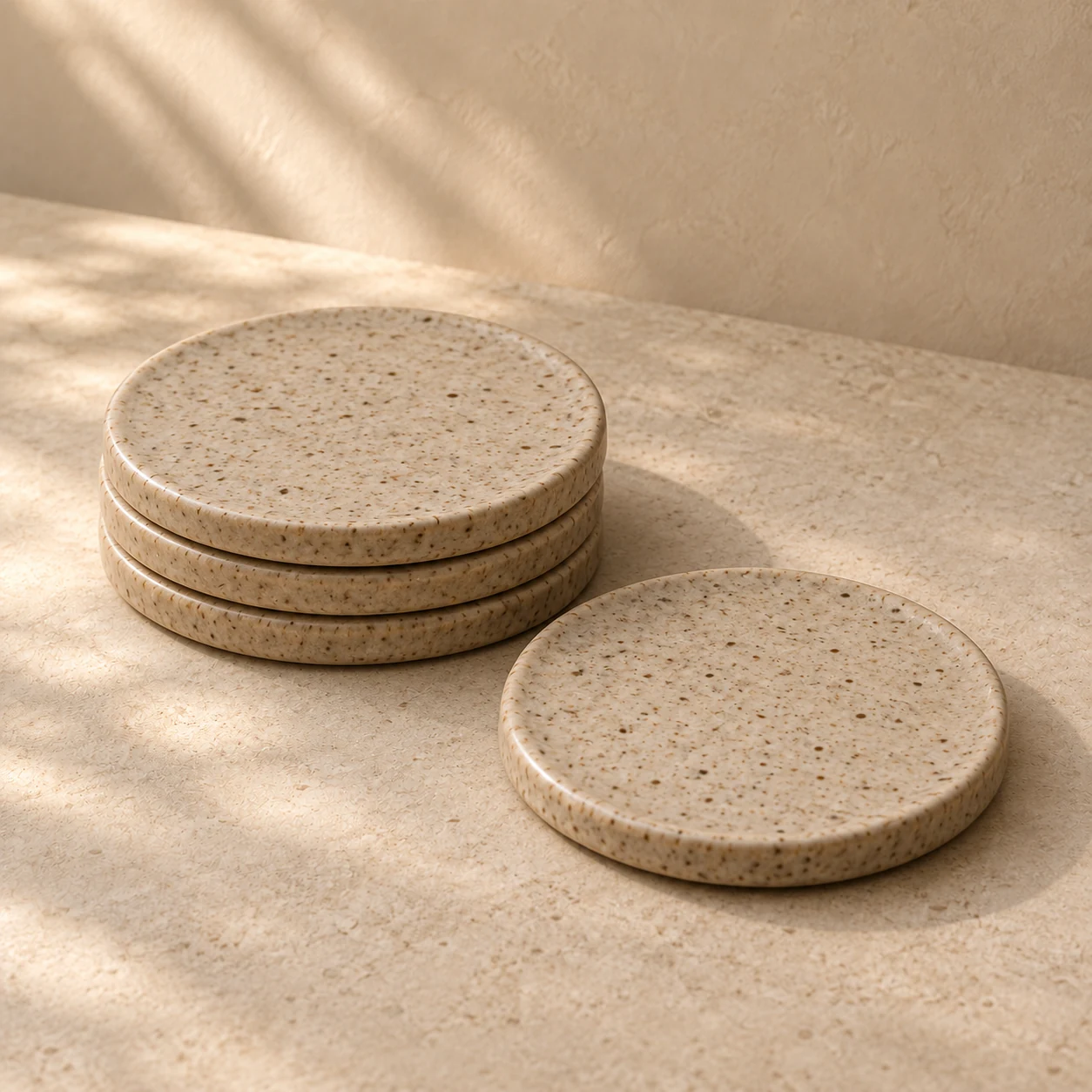
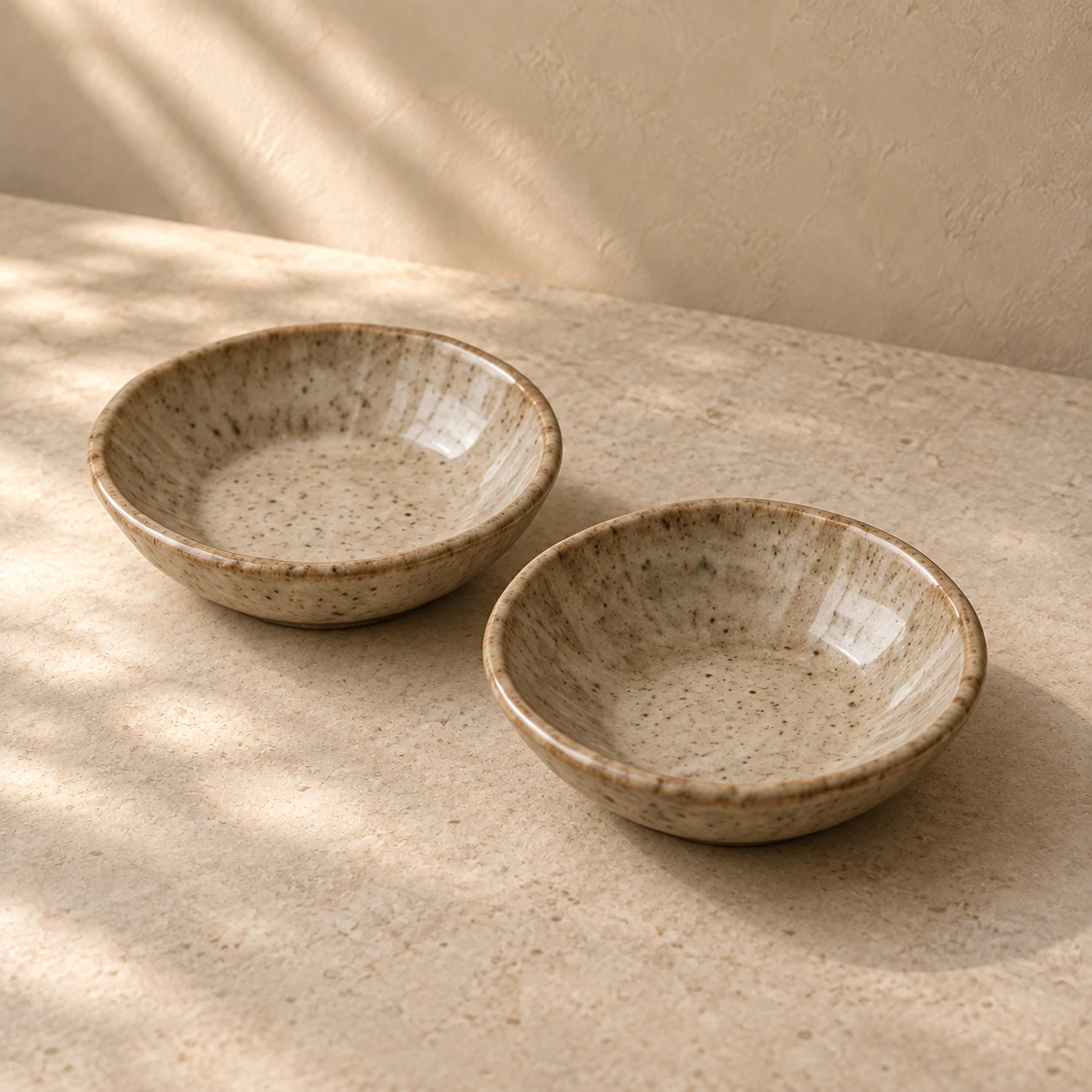
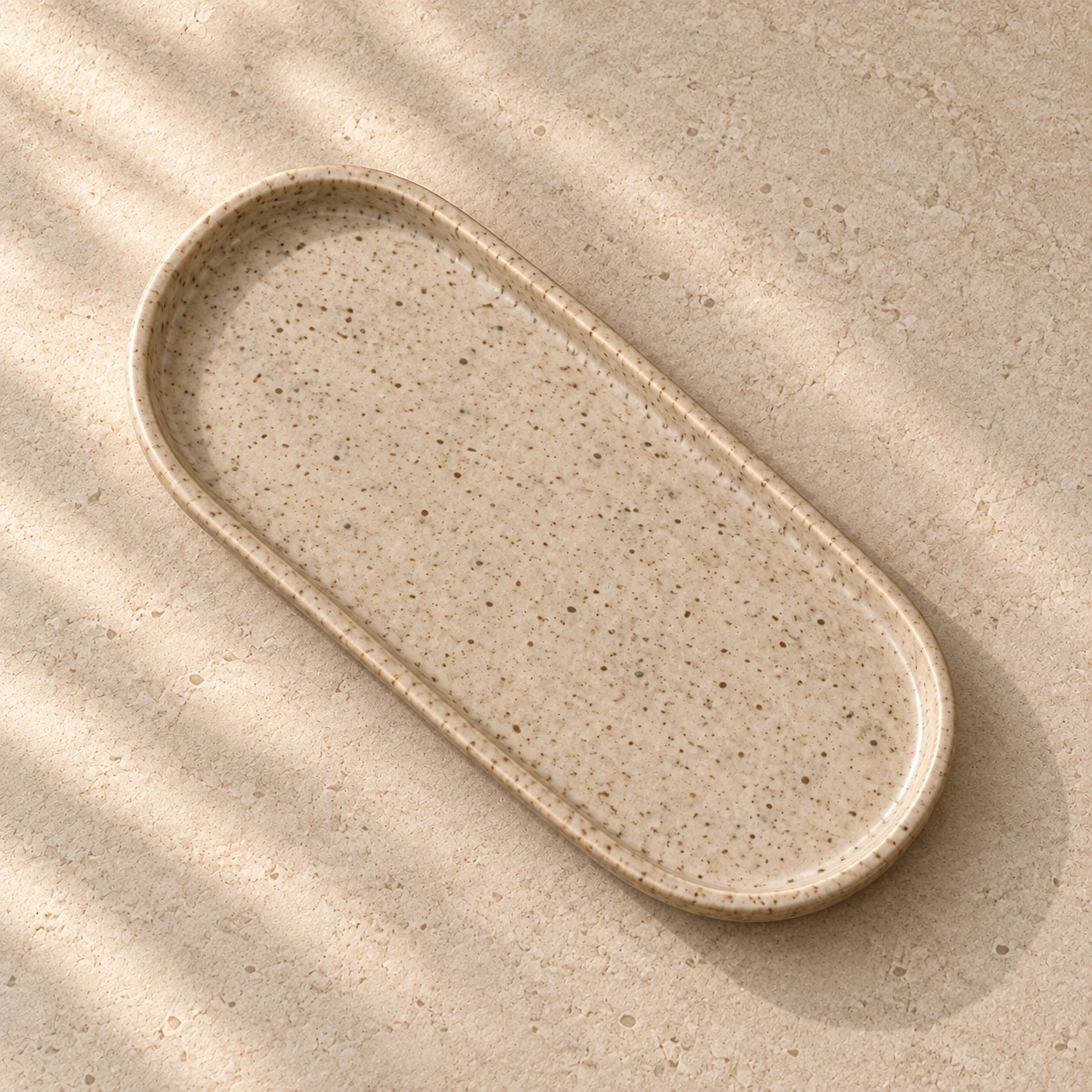
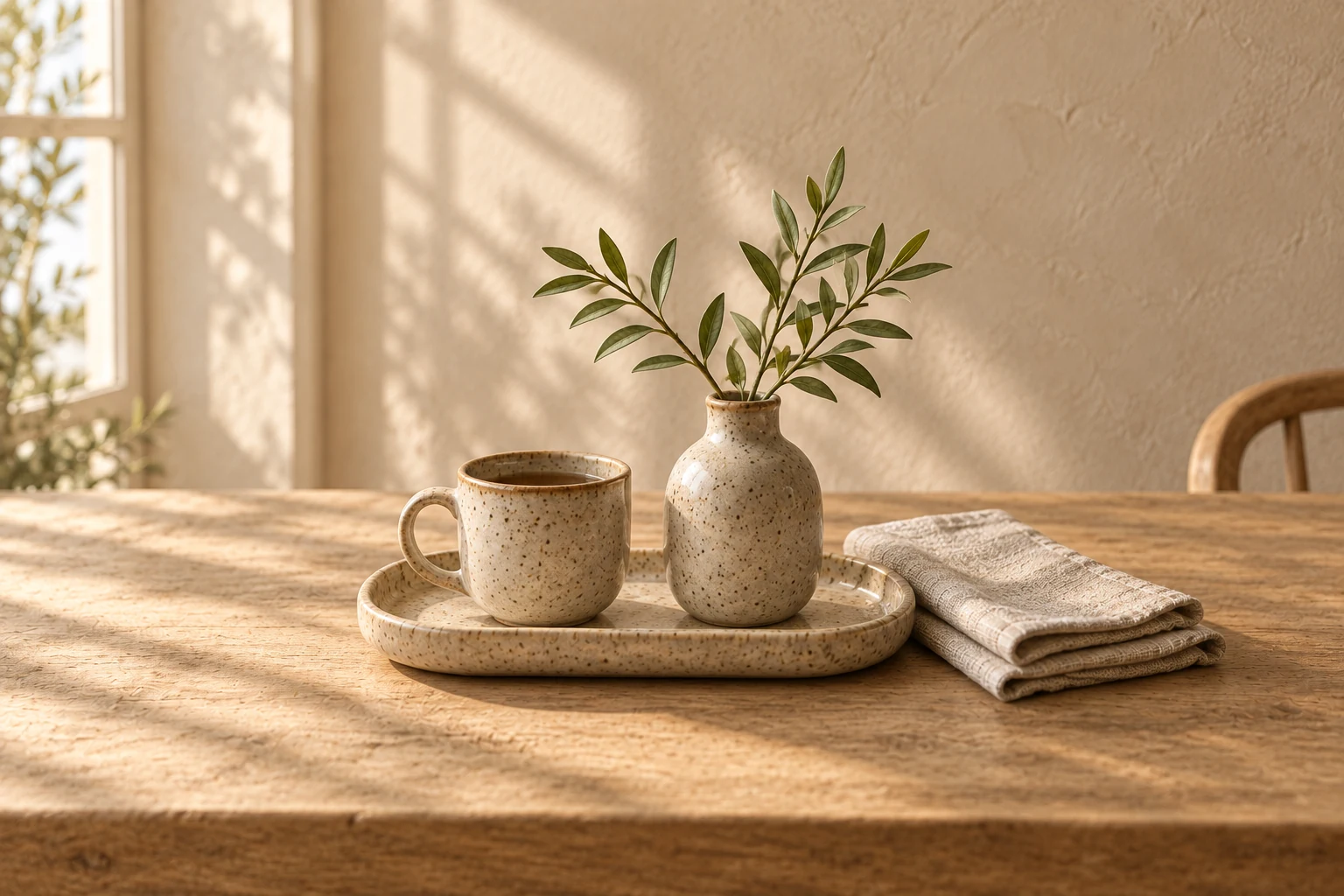
A shallow tray gives the small things a shared resting place. Start with a cup and a coaster, or a dish for the jewelry you take off at the end of the day. You do not need to fill every part of the tray.
Leave a clear area beside it for a book, your hand or simply the surface itself. That open space makes the corner easy to use and easy to reset.
Let texture soften the setting
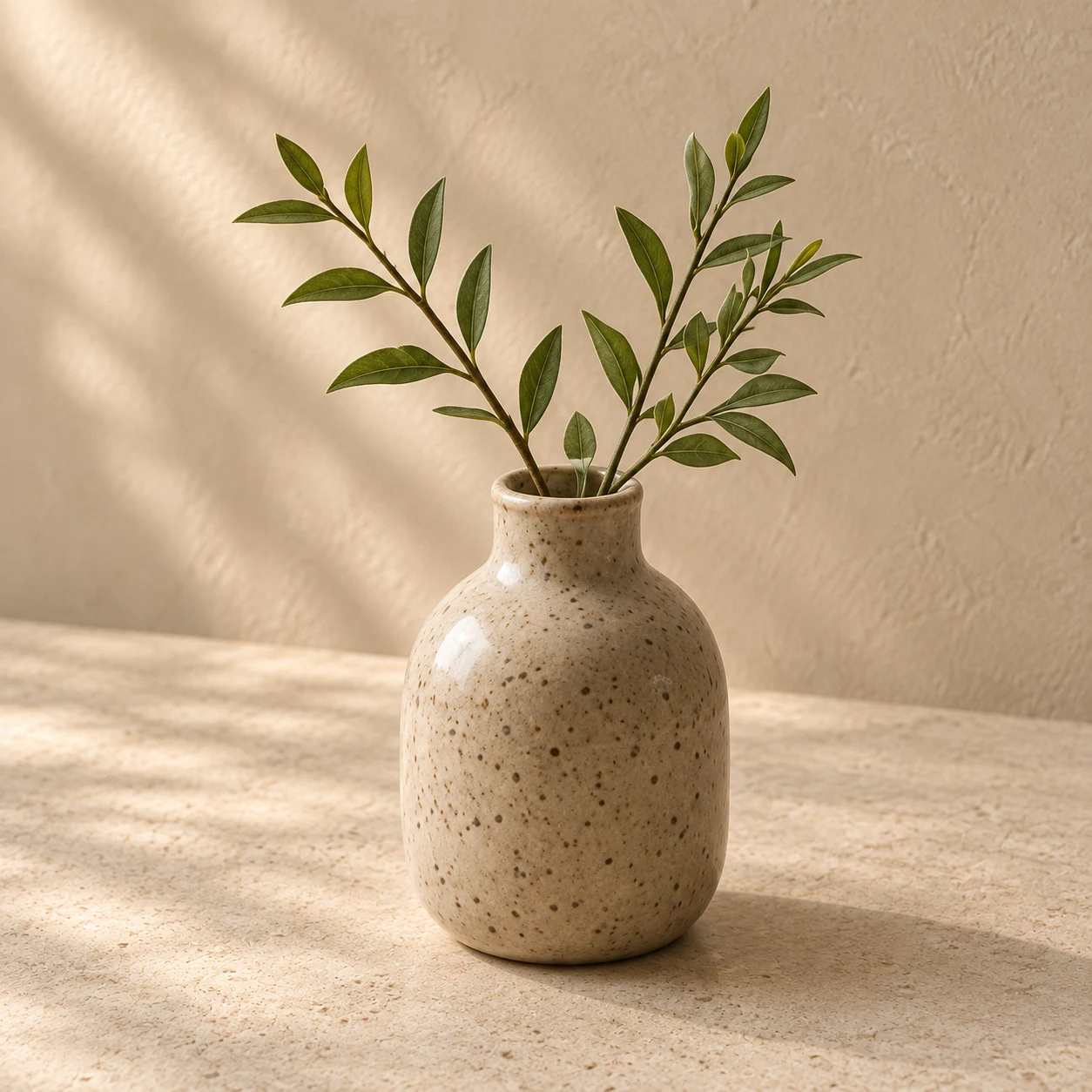
Stoneware, woven linen and the grain of wood bring variation without adding much visual noise. Choose tones that feel comfortable together and let daylight reveal their differences. A small vase needs only one stem, or can stay empty between seasons.
Reset it in one small gesture
At the end of a pause, carry the cup back to the kitchen, fold the cloth and put the little objects where they belong. When a corner takes only a minute to care for, it remains part of everyday life. Let it change with what you actually reach for.
“Leave room for the pause, as well as the objects that hold it.”STILLDAY JOURNAL